
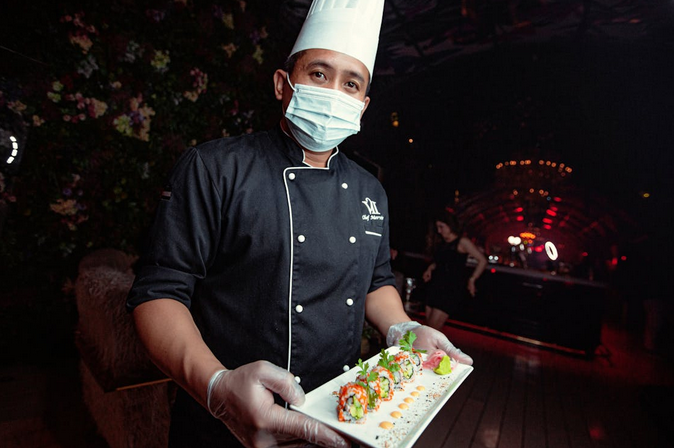
Food trends move fast. One year, it is foam and molecular techniques. The next is plant-based reinventions or viral fusion dishes. Social media accelerates the cycle. Diners expect novelty. Restaurants feel pressure to keep up. Yet not every chef follows this path. Some step back from the noise and choose to build menus that outlast the moment, often drawing inspiration from heritage vineyards and other time-honored food traditions. These chefs are not resistant to change. They simply value longevity over hype. Their menus focus on balance, technique, and flavor clarity. Instead of chasing every headline, they refine dishes that can stand the test of time.
The Problem With Trend-Driven Cooking
Trends can generate short bursts of attention. A new ingredient or plating style attracts curiosity. It may fill seats quickly. However, constant reinvention carries risks. Staff must relearn techniques. Supply chains shift. Consistency suffers. Diners also tire of gimmicks. A dish designed mainly for photographs may lack depth. When the excitement fades, there is little reason to return. Restaurants built only on trends often struggle with identity. Chefs who reject trends see this instability clearly. They prefer dishes rooted in strong foundations. Solid technique outlasts fashion. Classic flavor pairings remain reliable even as online conversations shift.
The Economics of Stability
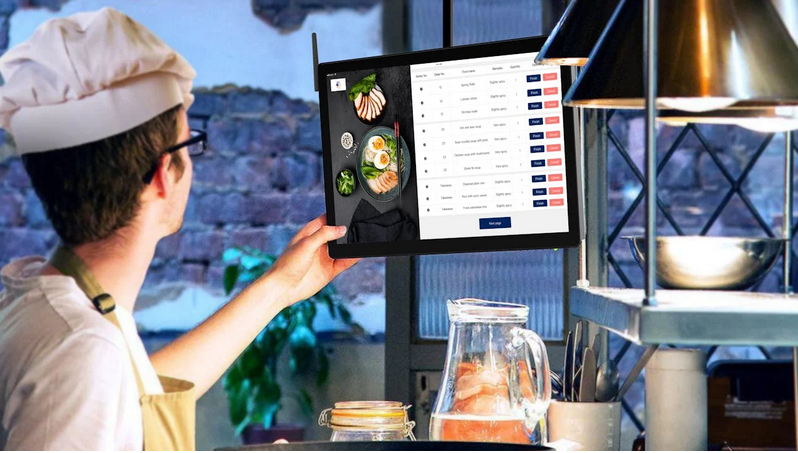
Trend-driven menus often require new equipment or specialty ingredients. These investments can increase costs. If the trend fades quickly, returns may be limited. Timeless menus offer operational stability. Core ingredients remain predictable. Purchasing becomes more efficient. Waste decreases when dishes stay consistent. This stability supports profitability. Restaurants operate on thin margins. Reducing volatility in sourcing and preparation can make a meaningful difference. A steady menu also allows chefs to focus on improving quality rather than constantly redesigning offerings. Financial sustainability does not mean creative stagnation. Seasonal adjustments keep menus fresh without abandoning core principles. Subtle evolution replaces dramatic reinvention.
Respect for Culinary Foundations
Timeless menus often begin with respect for tradition. Many chefs train in classical systems that emphasize structure and discipline. Sauces, stocks, and knife skills form the base. These methods are not outdated. They are adaptable frameworks. A chef focused on fundamentals can adjust seasoning, presentation, or sourcing without losing identity. This approach builds depth over time. Instead of replacing dishes every season, they refine them. There is confidence in simplicity. A perfectly roasted chicken or handmade pasta requires precision. It does not rely on novelty. When executed well, such dishes resonate across generations.
A Clearer Restaurant Identity
Restaurants need a coherent story. A menu driven by trends can feel scattered. One month, it leans heavily into fermentation. The next highlights imported superfoods. This inconsistency confuses guests. Chefs who prioritize timelessness define their culinary voice early. They decide what they stand for. It might be regional cuisine, seasonal produce, or wood-fired cooking. That clarity shapes every decision. A focused identity also helps staff. Training becomes more consistent. Ingredients align with long-term relationships with suppliers. Guests know what to expect. Trust grows with each visit. Over time, this steady approach strengthens brand loyalty. Diners return not for novelty but for reliability. They crave the flavors they remember.
Creativity Within Restraint
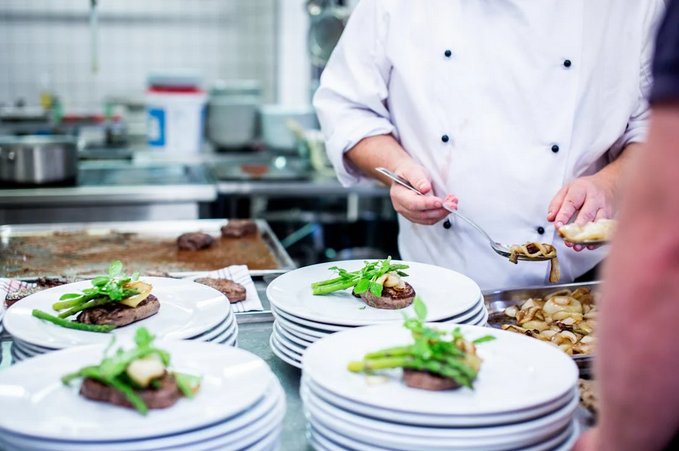
Rejecting trends does not equal rejecting creativity. In fact, working within constraints can sharpen innovation. Chefs refine textures, adjust techniques, and elevate presentation while preserving the essence of a dish. Restraint encourages discipline. Instead of adding elements for shock value, chefs ask whether each component serves a purpose. This mindset improves clarity on the plate. Some chefs also draw inspiration from personal history. Childhood meals, cultural roots, and regional ingredients shape their perspective. These influences create a distinctive identity that feels authentic rather than reactive. Creativity grounded in experience often proves more sustainable than novelty for novelty’s sake. It invites exploration without abandoning coherence.
Long-Term Relationships With Guests
Timeless menus foster emotional connection. Guests associate certain dishes with celebrations or milestones. They return to relive those experiences. Familiar flavors provide comfort. When chefs maintain signature dishes over the years, they build continuity. Regular patrons develop favorites. New guests discover classics that have earned their place. This relationship goes beyond transactions. It becomes part of community life. Restaurants anchored in consistency often serve multiple generations of the same family. Chefs who choose this path understand that reputation grows slowly. It requires patience and commitment. The reward is durability. Instead of chasing fleeting attention, they cultivate respect.
In a culinary world driven by rapid change, rejecting trends can seem risky. Yet for many chefs, the greater risk lies in losing identity. Timeless menus reflect discipline, clarity, and long-term vision. They honor technique while allowing gradual evolution. In doing so, they prove that relevance does not always depend on novelty. Sometimes, it depends on doing simple things exceptionally well.
